
Accurate sensing plays a vital role in modern industrial automation systems where precision, speed, and reliability determine overall productivity. A properly conducted proximity sensor test ensures that detection signals remain stable, reducing operational errors and enhancing system efficiency across various automated processes.
Importance of Sensor Testing in Automated Environments
Regular testing of proximity sensors helps maintain consistent performance in automated environments. It allows early identification of signal drift, alignment issues, or environmental interference that may impact accuracy. By validating sensor response under different conditions, industries can maintain smooth operations and avoid unexpected downtime. Learning proximity sensor test improves troubleshooting efficiency.
Key Benefits of Conducting Proximity Sensor Tests
Implementing structured testing methods offers multiple advantages for industrial automation systems as outlined below:
- Enhanced accuracy in detecting objects and minimizing false triggers
- Improved system reliability through consistent sensor validation
- Reduced maintenance costs by preventing unexpected equipment failure
- Better operational efficiency with optimized automation workflows
Overall, proximity sensor testing strengthens automation systems by ensuring that every signal is accurate and dependable, supporting long-term industrial performance and productivity growth.
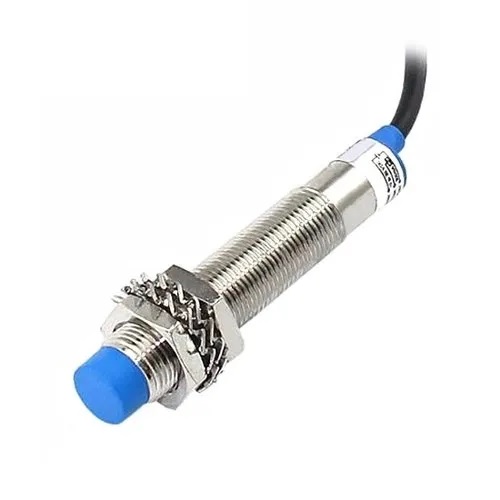
Role of Testing in Smart Industrial Systems
In smart industrial environments, proximity sensor testing contributes to seamless machine coordination, improved safety measures, and enhanced decision-making capabilities. It supports continuous innovation by ensuring that automated systems respond precisely to real-time conditions, making industrial operations more efficient and future-ready.
Testing Methods for Proximity Sensors
Various testing methods are used in industrial automation to ensure proximity sensors deliver accurate and consistent results. These methods include functional checks, distance calibration, response time analysis, and environmental simulation. Each method helps verify sensor accuracy under different operational conditions and supports stable automation performance. Testing also ensures that sensors respond quickly to object detection without delay or false triggering. This improves reliability and ensures smooth workflow integration in automated systems. Regular calibration and performance verification further enhance long-term sensor stability and reduce measurement deviations. Ultimately, these testing methods help maintain high efficiency across industrial automation environments. They also support predictive maintenance strategies and reduce unexpected downtime in critical operations. Ensuring consistent sensor performance is essential for optimized automation outcomes.
Challenges Prevented by Regular Testing
Regular proximity sensor testing helps prevent a wide range of operational challenges in automated systems. These include misalignment errors, signal interference, reduced sensitivity, and inconsistent detection performance. Without proper testing, sensors may produce inaccurate readings that can disrupt entire automation workflows. Testing ensures early detection of faults and helps maintain smooth operational continuity. It also reduces maintenance costs and improves equipment lifespan through proactive monitoring. Consistent testing practices ensure stable performance even in harsh industrial environments. They also help avoid unexpected shutdowns that can affect productivity and efficiency. Overall system reliability improves significantly when sensors are regularly tested and validated. This leads to better production outcomes and higher operational efficiency across industries. Reliable sensor performance supports long-term success in automation-driven processes.
Best Practices for Reliable Sensor Performance
Following best practices during proximity sensor testing ensures higher accuracy and long-term stability in industrial automation systems. Proper installation, regular calibration, and controlled environmental conditions play a key role in achieving consistent results. Technicians should also verify alignment and inspect for physical damage or interference sources. Routine checks help maintain reliable performance and reduce the risk of automation errors. Adopting systematic testing procedures strengthens operational efficiency and ensures consistent output quality.